
Eagle ID Residential Market Trends: What to Expect in 2026
Eagle’s mix of Boise River access, quality schools, and newer subdivisions keeps demand consistently elevated. According to Redfin, closed-sale prices in Eagle typically fall between $650,000 and $900,000 as of early 2025, with sale-to-list ratios hovering close to 100%. Limited developable land near Eagle Road and State Street, coupled with job growth throughout Ada County, positions the Eagle ID residential market trends to remain a focal point for investors and move‑up buyers heading into 2026.
How Are Prices in Eagle Expected to Move by 2026?
Price behavior in Eagle reflects both regional Boise Metro dynamics and local constraints along the Boise River corridor. According to Zillow, typical home values in Eagle sit in a band roughly between $750,000 and $950,000 as of late 2024, after several years of double‑digit annual gains earlier in the decade. Current year‑over‑year appreciation has cooled into the mid‑single‑digit range, creating a more sustainable foundation for 2026 projections.
That moderation matters for households targeting neighborhoods near Eagle Hills Golf Course, Banbury Golf Course, and the waterfront pockets along the Boise River Greenbelt. Based on pricing charts from Realtor.com, list prices in Eagle have fluctuated within a roughly 8% to 12% band over the past two years, with notable resilience above corridors like Floating Feather Road and Idaho 44. A continued shift toward balanced appreciation makes sharp declines appear unlikely absent a macroeconomic shock.
According to state‑level data from the National Association of Realtors, Idaho’s existing‑home prices have generally posted annual increases in the range of 4% to 7% in recent cycles. Eagle has historically tracked above those statewide averages because of limited luxury inventory and strong school demand around Eagle High School and Galileo STEM Academy. If mortgage rates trend modestly lower by 2026, projections point toward steady mid‑single‑digit appreciation rather than the double‑digit spikes seen earlier.
What Inventory and Construction Patterns Could Shape 2026 Supply?
Active listings in Eagle remain scarce compared with pre‑2020 norms. According to Redfin, months of supply in Eagle has frequently hovered near the 2 to 3 month range in recent quarters, below the roughly 5 to 6 months often considered balanced. Subdivisions north of Floating Feather Road show concentrated new‑construction activity, yet buildable parcels close to downtown Eagle and Heritage Park are constrained by river, canal, and existing subdivision patterns.
Late afternoons around Friendship Park and Merrill Park convey how limited infill land shapes the built environment. Sunlight filters through mature trees onto basketball courts while the scent of grilled food from nearby Bodacious Pig Barbecue drifts across State Street. The soft rush of the Boise River near Reid Merrill Park contrasts with the sharper hum of traffic along Eagle Road, underscoring the tension between recreational green space and the pressure for additional residential projects in adjacent neighborhoods.
City planning documents from the City of Eagle emphasize managed growth, particularly along North Channel Center Boulevard and the areas surrounding Eagle Island State Park. With infrastructure capacity closely monitored, large‑scale subdivisions are likely to remain clustered west of Eagle Road and north toward Linder Road rather than packed into the historic downtown grid. That pattern suggests continued scarcity for properties within about 0.5 miles of the downtown Eagle restaurant corridor, including establishments like Rembrandts and Bardenay Restaurant & Distillery Eagle.
How Will Mortgage Rates and Taxes Influence Affordability in Eagle?
Affordability in Eagle often hinges on financing costs because many homes fall into upper price brackets. According to national trend summaries from Freddie Mac, 30‑year fixed mortgage rates in 2024 have ranged roughly between 6% and 7.5%. A shift toward the lower end of that range by 2026 could translate into hundreds of dollars in monthly payment differences for move‑up buyers targeting price points from $700,000 to $1.1M along corridors like Park Lane and Edgewood Lane.
Property tax structures matter as well. The Ada County Assessor reports an average effective property tax rate generally in the approximate band of 0.7% to 0.9%, depending on levy districts and exemptions. For a home near Eagle Hills Golf Course priced at $900,000, that translates into an estimated annual tax obligation in the neighborhood of $6,300 to $8,100, before homeowner’s exemptions or supplemental levies connected to school district funding.
Entry‑level buyers drawn to townhomes near Guerber Park, Heritage Park, or along Old State Street may rely heavily on low‑down‑payment products. According to HUD, Federal Housing Administration mortgages allow minimum down payments of 3.5% for qualified borrowers. On a $500,000 home near downtown Eagle, that equates to roughly $17,500 down, compared with $100,000 for a conventional 20% down scenario, significantly changing the entry threshold for 2026 buyers.
What Role Will Schools, Parks, and Amenities Play in 2026 Demand?
School performance and recreational amenities consistently anchor demand in Eagle. According to GreatSchools, Eagle High School holds a rating in the upper single‑digit range on a 10-point scale, reinforcing strong interest in subdivisions along Floating Feather Road and Moon Valley Road. North Star Charter School and Galileo STEM Academy add specialized education options that attract households prioritizing short commute times between home, school drop‑offs, and employment centers in both Eagle and Boise.
An evening stroll through downtown Eagle around Heritage Park illustrates how amenities support sustained housing demand. Strings of lights reflect off patio tables at Crave Kitchen & Bar while the aroma of roasted coffee drifts from Rembrandts on East State Street. Live music sometimes echoes across the small amphitheater, mixing with the steady murmur of diners outside The Griddle Eagle. The tactile warmth from brick storefronts, after a hot summer day, reinforces why pedestrian‑friendly blocks hold such enduring appeal.
Access to open space further shapes long‑term trends. Eagle Island State Park offers swim areas, equestrian trails, and disc golf less than roughly 3 miles from many newer subdivisions near Linder Road. Merrill Park and Friendship Park provide Boise River frontage and playgrounds within approximately 1 mile of several established neighborhoods south of State Street. According to Walk Score, Eagle posts a walk score in the mid‑20s overall, but the downtown core performs noticeably better, reinforcing premiums for homes within easy walking distance of these amenities.
How Might Investor Activity and Luxury Demand Evolve by 2026?
Investor and luxury segments exert an outsized influence on Eagle ID residential market trends because of the city’s higher price profile. According to Redfin, a meaningful share of recent Eagle transactions has occurred above the $1M threshold, particularly in communities with estate‑style lots near Banbury Golf Course and along the north channel of the Boise River. Limited riverfront parcels and architectural controls encourage ongoing interest from out‑of‑state buyers seeking primary residences, second homes, or long‑term holds.
Luxury custom homes along Eagle Road, Moon Lake Drive, and in sections of the Laguna Pointe and Two Rivers communities sometimes exceed $2M, with occasional listings approaching $3M or more. In this upper tier, features like private river access, extensive outdoor kitchens, and multi‑bay garages drive premiums rather than bedroom counts alone. Current luxury inventory remains well below the volume seen in larger metros, reducing the risk of oversupply in 2026 and supporting valuations even if broader Idaho demand softens.
Short‑term rental and executive rental segments show selective strength near the river and golf courses. According to market snapshots from Realtor.com, furnished homes with high‑end finishes regularly command monthly rents equivalent to carrying costs on properties valued near $1.2M. In such cases, institutional and individual investors often target cap rates in the range of 4% to 6%. Premium waterfront properties along the Boise River corridor can even see valuations above $2M, with standout estates occasionally crossing $2.4M and highlighted at approximately $2.4M as marquee listings.
The 100% sale‑to‑list ratio cited at the start of this guide reflects a market where pricing mistakes can quickly translate into missed opportunities, particularly in segments clustered near Eagle Hills Golf Course and downtown Eagle. That early figure from Redfin underscores how competitive dynamics are likely to persist into 2026 even as appreciation moderates. The Boise Regional Realtors market statistics portal provides ongoing visibility into shifts in inventory, median prices, and days on market across Ada County, including Eagle. Buyers who register listing alerts through regional MLS‑connected platforms and commit to touring promising Eagle properties within 48 hours of activation before the spring 2026 surge are positioned to secure preferred floor plans and locations. Those who delay engagement until after Q2 2026 risk facing tighter inventory, higher pricing bands, and reduced leverage in negotiations across premier Eagle neighborhoods.
FROM OUR BLOG

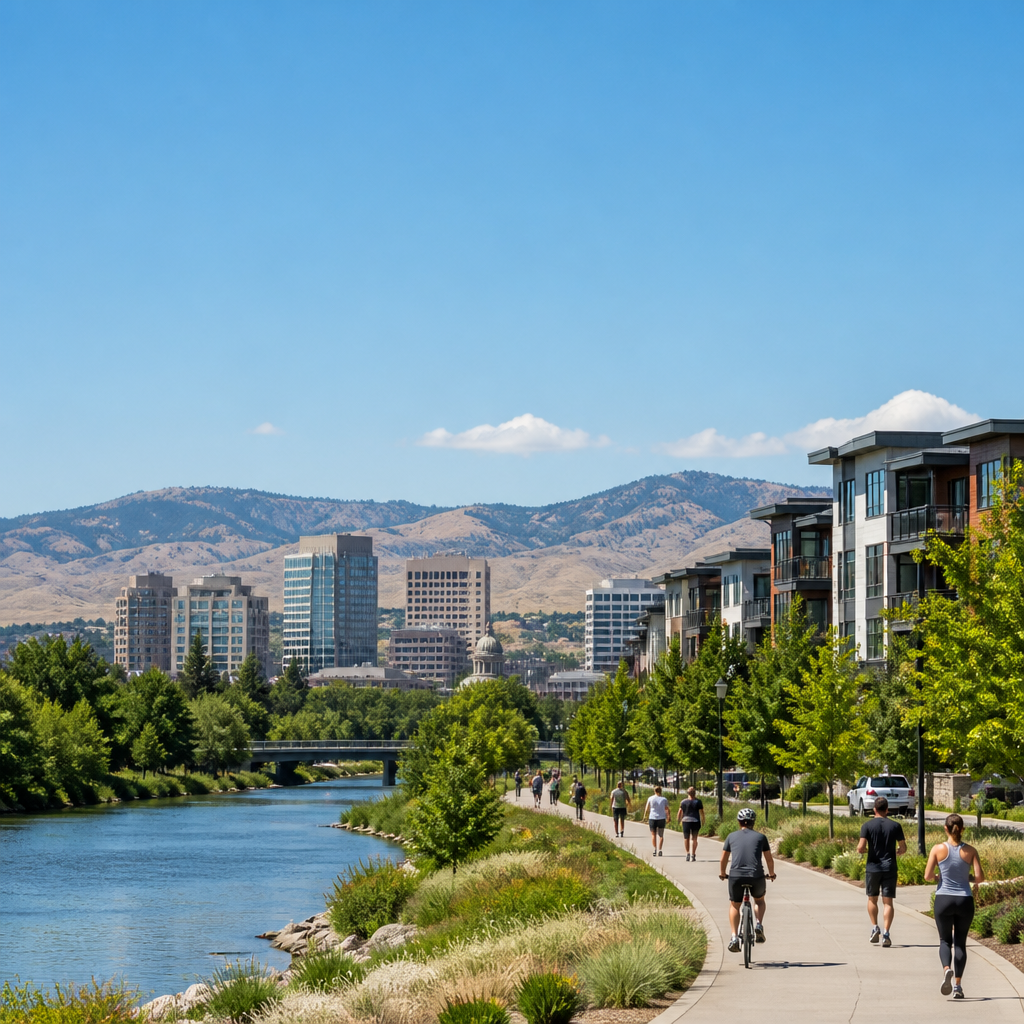
Discover Your Dream: Boise ID Luxury Homes for Sale in 2026
Discover Your Dream: Boise ID Luxury Homes for Sale in 2026 Luxury buyers increasingly focus on Boise as a lifestyle as much as a location. According to U.S. Census QuickFacts, Boise’s population grew roughly 14% between 2010 and 2020, fueling steady demand at the upper end of the market. High-end p
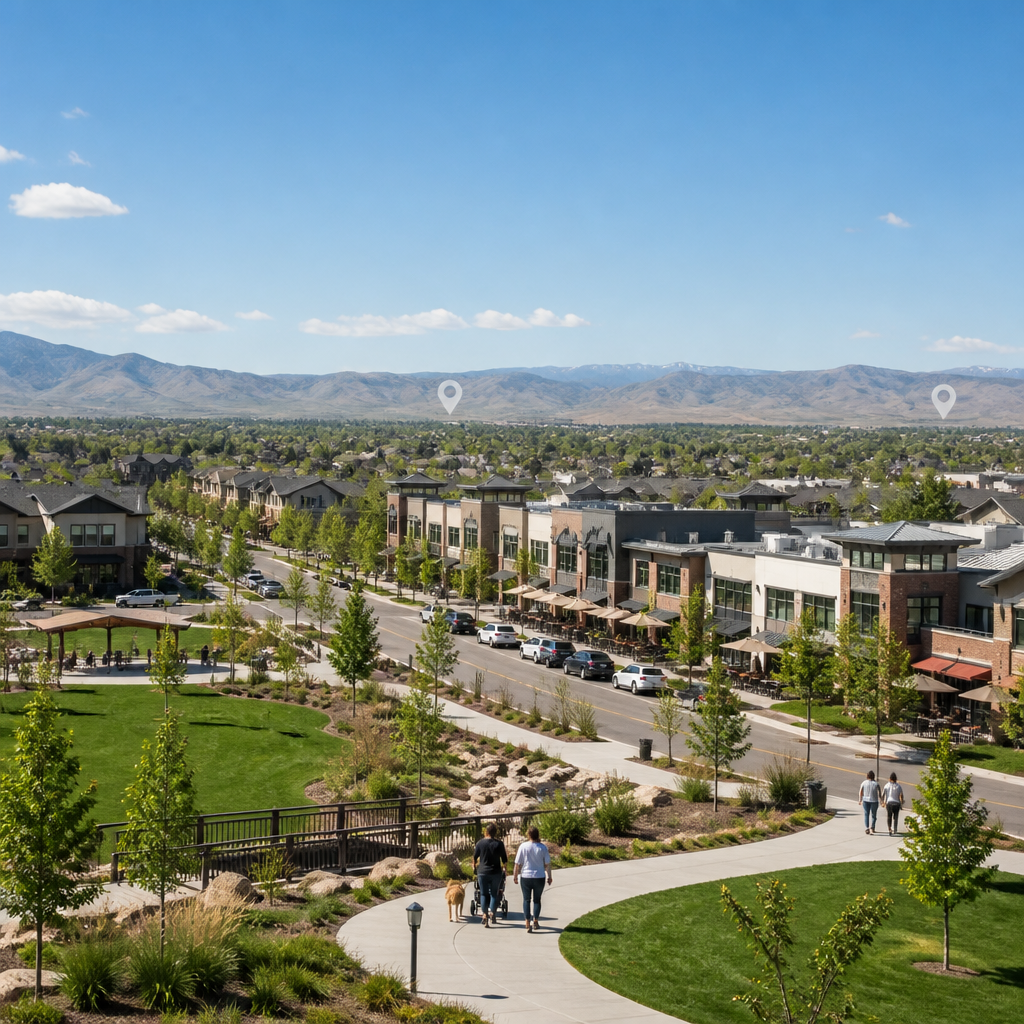
Moving to Meridian ID: Essential Tips for New Residents in 2026
Moving to Meridian ID: Essential Tips for New Residents in 2026 Moving to Meridian ID in 2026 places new residents in one of Idaho’s fastest-growing cities, with a population that climbed into the range of 130,000 to 140,000 residents as of 2023, according to U.S. Census Bureau QuickFacts. The city